
Saving Katoku: A Case Study of the Conflicting Environmental and Economic Demands on Japan’s Island Communities

By:

July 25, 2025

Saving Katoku: A Case Study of the Conflicting Environmental and Economic Demands on Japan’s Island Communities

Volume 23

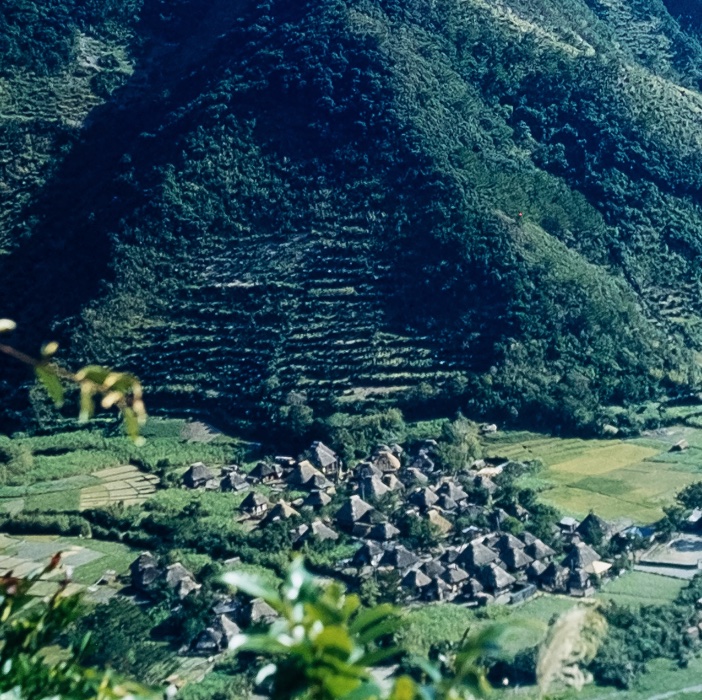
Abstract: Drawing on ethnographic research from Amami Ōshima, southern Japan, this paper documents the ways in which contemporary societies, from the hamlet to the nation state, are wrestling with opposing forces of environmental and economic sustainability and discusses the fractures this creates for people and ecosystems. It uses as a case study the protest to stop the construction of a seawall being built in Katoku, an ocean hamlet in Amami, based within the buffer zone of the island’s United Nations Educational, Scientific and Cultural Organization (UNESCO) World Natural Heritage Site. Rather than being built with the primary aim to protect “people and property,” I suggest this infrastructural intervention is a symbolic declaration of risk management and repository of huge economic value for the island and prefecture. The background to the paper is the return of a cache of color photographs taken by an American anthropologist in the 1950s and the 70th anniversary of the reversion of Amami in 1953 from US military to Japanese control. The paper considers the contemporary ramifications of policy instituted in the post-World War II period, that has sought to maximize the potential of “remote” areas and continues to favor growth and development at the expense of the health of multispecies island communities.

Keywords: Amami ĹŚshima, Seawall, Concrete, Photography, World War II

Read the full article here.
Share with a colleague:

Volume 23

About the author:

Charlotte Linton is an anthropologist and designer whose work is situated at the intersection of visual, material, and economic anthropology, textiles, and ethnoecology. She is a Post-Doctoral Research Fellow in Social Anthropology at All Souls College, Oxford. Linton is interested in the relationships that craftspeople have with the environments from which they extract and use resources and identifies historical and contemporary links that concern the exploitation of ecosystems, workers, and underrepresented communities. Her forthcoming book with Duke University Press (2025) documents her ethnographic work with natural dye craftspeople on the island of Amami ĹŚshima, southern Japan.

The Asia-Pacific Journal: Japan Focus is a peer-reviewed publication, providing critical analysis of the forces shaping the Asia-Pacific and the world.

    About the author:

    Charlotte Linton is an anthropologist and designer whose work is situated at the intersection of visual, material, and economic anthropology, textiles, and ethnoecology. She is a Post-Doctoral Research Fellow in Social Anthropology at All Souls College, Oxford. Linton is interested in the relationships that craftspeople have with the environments from which they extract and use resources and identifies historical and contemporary links that concern the exploitation of ecosystems, workers, and underrepresented communities. Her forthcoming book with Duke University Press (2025) documents her ethnographic work with natural dye craftspeople on the island of Amami ĹŚshima, southern Japan.

    JOIN OVER 20,000 SUBSCRIBERS

    Our monthly newsletter provides readers with an in-depth analysis of forces shaping the Asia-Pacific and the world.

      Since 2002

      Asia Pacific Journal: Japan Focus has produced critical reporting on geopolitics, economics, history, environment, and international relations.