

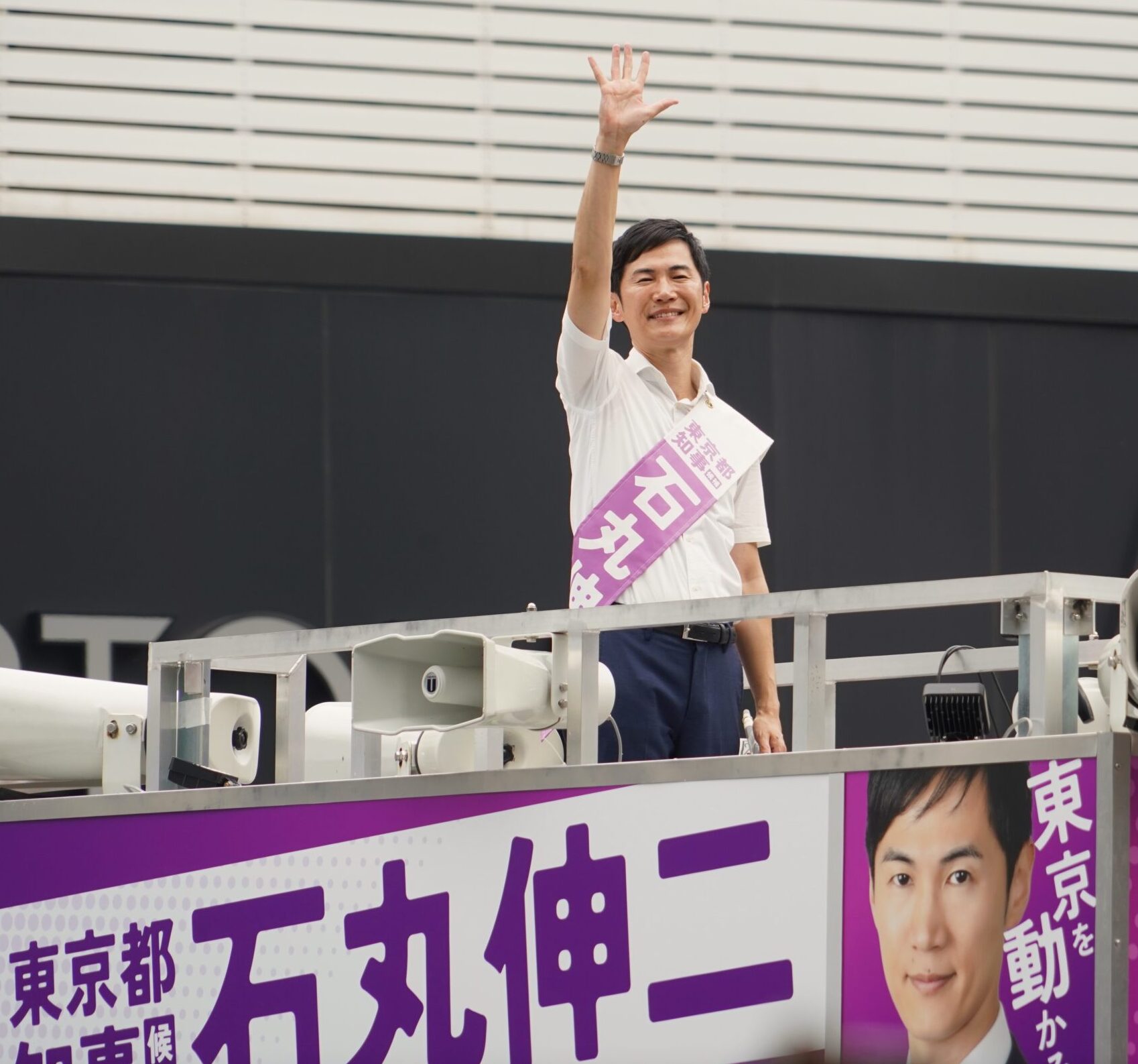
Abstract: Discussions on populism in Japan have often been overlooked in the comparative politics literature. However, as theoretical and empirical discussions progress, the need for more Japanese contributions to expand observers’ understanding of the global populist phenomenon is evident now more than ever. The sudden rise of Ishimaru Shinji as a populist figure in the 2024 Tokyo gubernatorial election sparked claims that “social media populism” has arrived in Japan. However, although social media certainly played a role in propelling Ishimaru’s popularity during his campaign, limiting considerations of populism to election campaign performances overlooks a greater question: What happens when populists are elected? This article suggests that the Ishimaru phenomenon needs to be contextualized with examples of distinct practices of populist governors. This article argues that, in a neoliberal era of “political reform” (seiji kaikaku) populist political entrepreneurs have introduced “innovations” to governing practices as a way to personalize the executive in pursuit of their policy agendas. Specifically, three governing practices of the populist governors Hashimoto Tōru and Koike Yuriko are identified and considered as a “populist playbook” from which Ishimaru, and future populists, will likely borrow.
Keywords: Japanese Politics, Populism, Local Politics, Governance, Neoliberalism, Policy Entrepreneur
Read the full article here.