
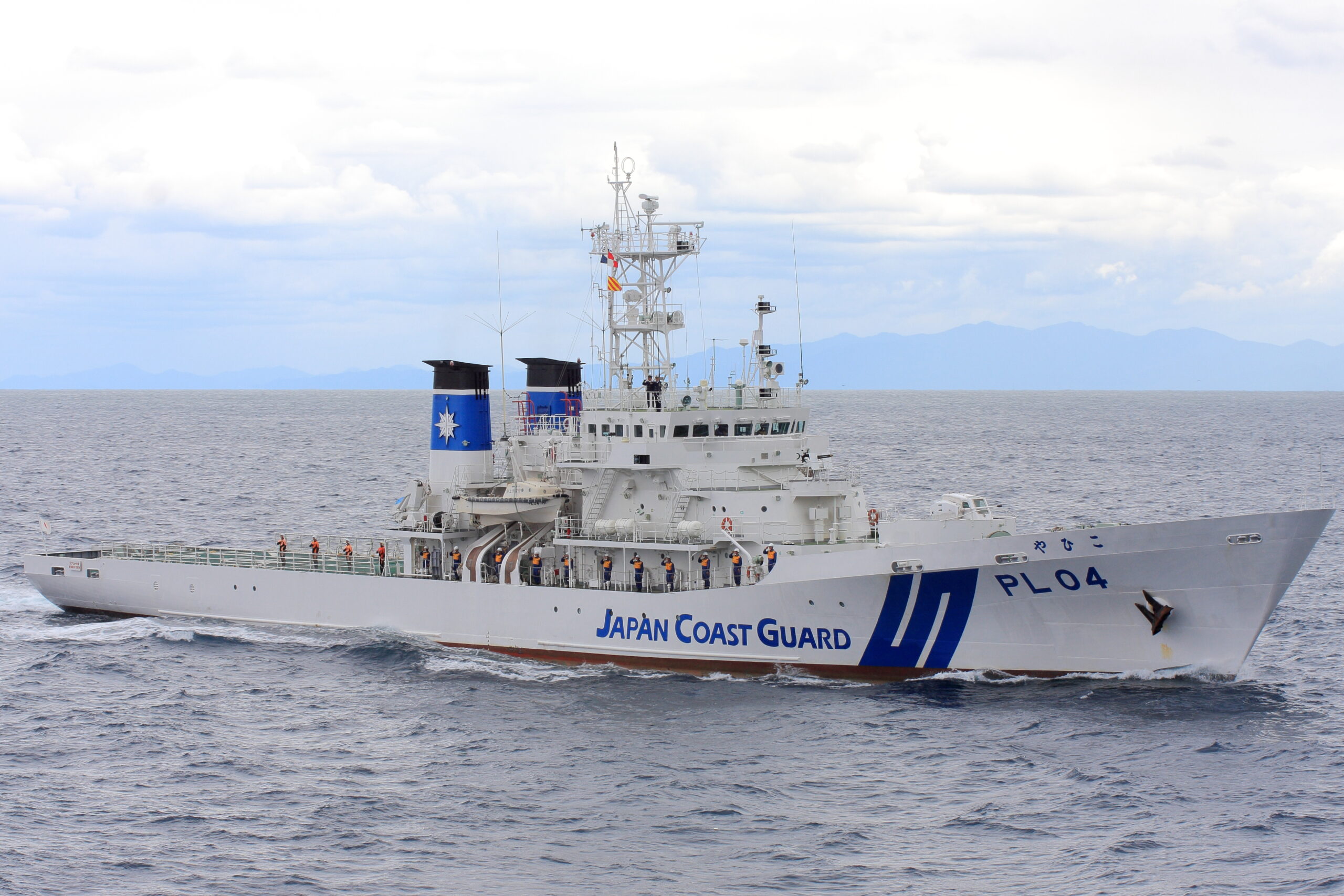
Climate Change and Maritime Security: Challenges and Prospects for Cooperation for the Quad

By: ,

November 10, 2025

Climate Change and Maritime Security: Challenges and Prospects for Cooperation for the Quad

Volume 23

Abstract: Maritime security is one of the most vulnerable domains to climate change. The Quad comprising India, Japan, Australia, and the U.S., shares concerns of impending climate change-induced maritime security challenges in the Indo-Pacific region. Climate change can catalyse intensified competition for resources and control over sea lanes leading to increased maritime violence. Thus, climate change can derail the collective goals for which the Quad was established – a free, open, prosperous, and inclusive Indo-Pacific region. It is therefore critical for the Quad to understand this emergent threat and how it is altering the geopolitical system in order to secure its strategic and economic interests.

This paper addresses three major issues. First, it provides an empirical understanding of the threats to maritime security in the Indo-Pacific that emerge from climate change. It shows how these challenges potentially impede the Quad’s goals of securing a free and open Indo- Pacific and a rules-based order. Secondly, the paper analyses the collective efforts the group has undertaken over the years to address climate change and maritime security in the region through its Climate Change Adaptation and Mitigation Package (Q-CHAMP) and beyond. Thirdly, the study focuses on prospects for cooperation among the Quad countries, taking into consideration the recent change in administration in the US. We ask what collaborative maritime security mechanisms can the parties devise to strengthen the proposals in the Quad Climate Change Adaptation and Mitigation Package (Q-CHAMP)? We argue that cooperation on climate change will not only augment climate preparedness in the Indo-Pacific region but also enhance the Quad’s legitimacy and durability as a minilateral grouping.

Keywords: Climate change, maritime security, the Quad, Indo-Pacific

Read the full article here.

Share with a colleague:

Volume 23

About the author:

Dr. Robert Mizo is Assistant Professor in the Department of Political Science at the University of Delhi.

Dr. J. Scott Hauger has a 45-year career as a researcher, teacher, program manager, and entrepreneur in areas related to science, technology and policy. For the last 15 years his work has centered on issues of climate change and environmental security, with a focus on the Indo-Pacific region. He brings to the field advanced degrees in both the natural sciences and the social sciences and a doctorate in Science and Technology Studies (STS).

The Asia-Pacific Journal: Japan Focus is a peer-reviewed publication, providing critical analysis of the forces shaping the Asia-Pacific and the world.

    About the author:

    Dr. Robert Mizo is Assistant Professor in the Department of Political Science at the University of Delhi.

    Dr. J. Scott Hauger has a 45-year career as a researcher, teacher, program manager, and entrepreneur in areas related to science, technology and policy. For the last 15 years his work has centered on issues of climate change and environmental security, with a focus on the Indo-Pacific region. He brings to the field advanced degrees in both the natural sciences and the social sciences and a doctorate in Science and Technology Studies (STS).

    JOIN OVER 20,000 SUBSCRIBERS

    Our monthly newsletter provides readers with an in-depth analysis of forces shaping the Asia-Pacific and the world.

      Since 2002

      Asia Pacific Journal: Japan Focus has produced critical reporting on geopolitics, economics, history, environment, and international relations.