

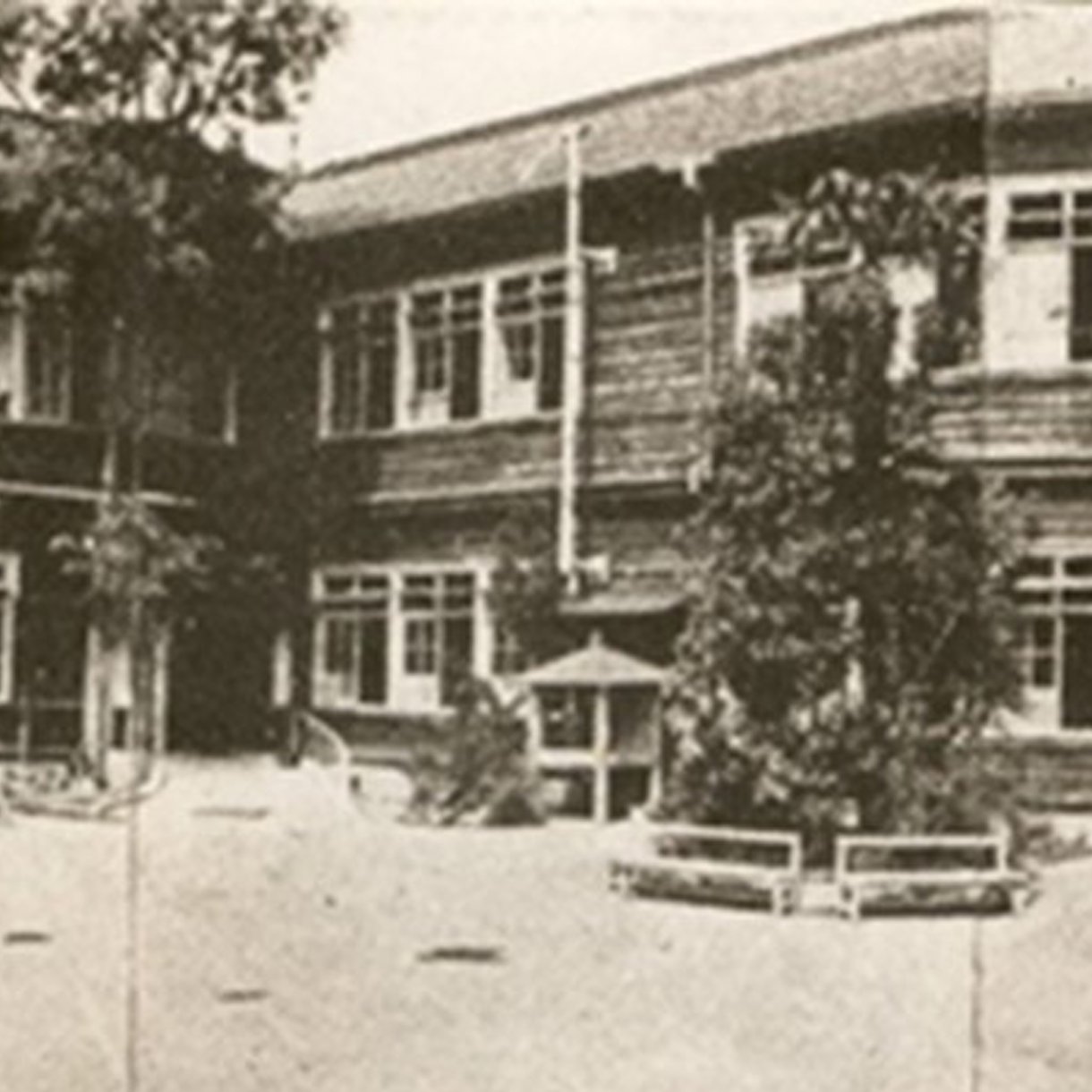
Abstract: Kōmei School was the first public school for children with physical disabilities in Japan and emerged from reformist, child-centered influences during the 1920s to early 1930s. This work examines the school’s history to reveal the place of children with disabilities in Japan’s compulsory school system. Administrative exemptions for decades blocked children with disabilities from “compulsory” education, denying them access to school. Kōmei School was established to provide opportunities to a few of many young Japanese individuals with physical challenges and proved to be a source of innovation. However, “abled” Japanese schoolchildren in compulsory schools were considered future national resources, and children with disabilities were not. Consequently, abled pupils were evacuated from Tokyo and other cities to safety in the 1944 mass evacuation policy, while Kōmei’s children with mobility challenges were abandoned to face air raids in Tokyo. Under a regime that assessed children as nascent military resources, the nationality of Kōmei’s pupils was denied, and even their humanity was questioned. After the war, children with physical disabilities remained devalued by the rapidly growing economy. As a result, the designation “compulsory” that would secure their right to an education, require their attendance in school, and guarantee that government would assure their place in school was not codified until 1979.
Keywords: Schoolchildren, Disability, Compulsory education, War, Evacuation of schoolchildren, Special needs education, Modern Japan
Read the full article here.