
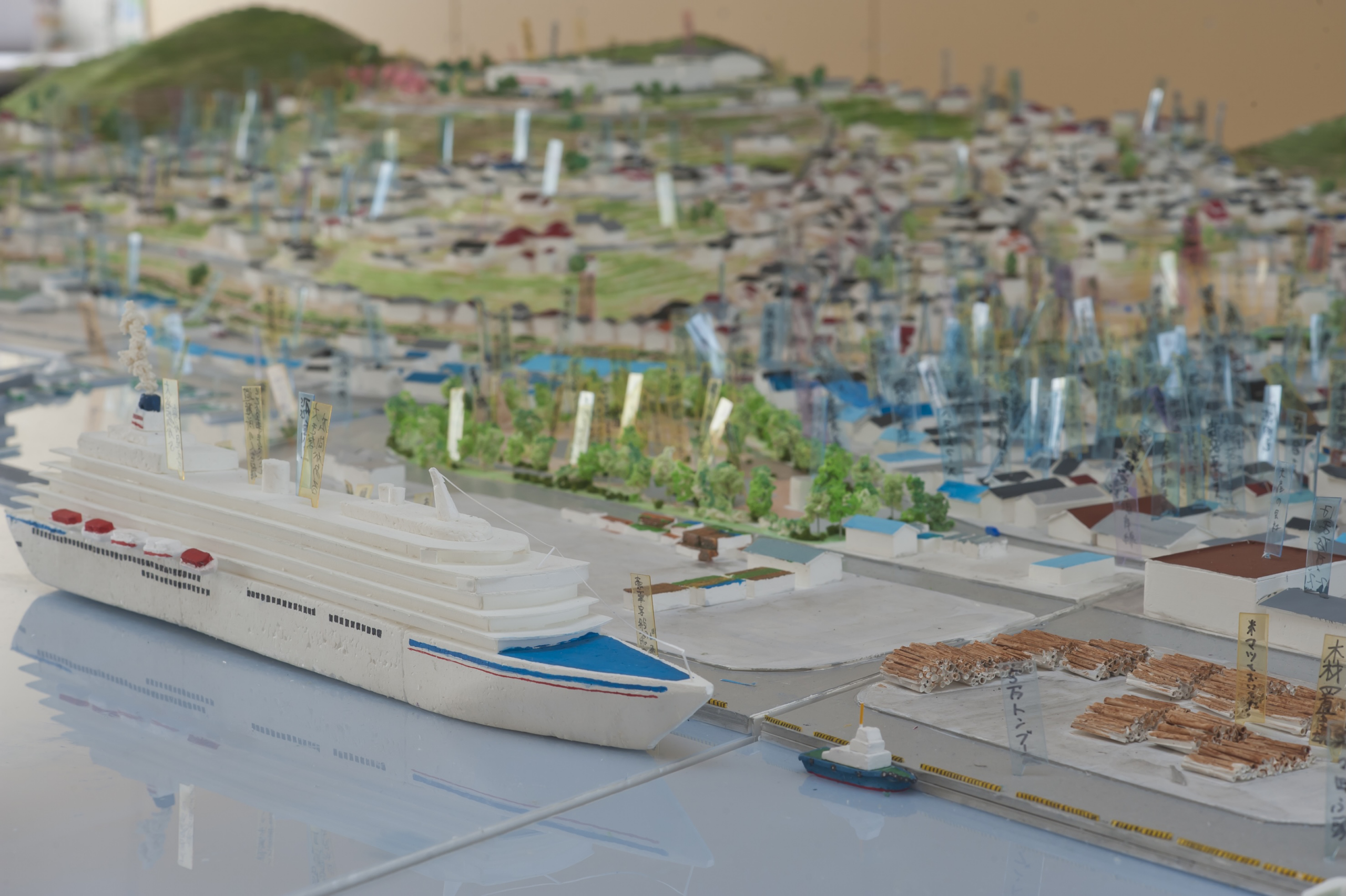
Relational Creativity in the Aftermath of 3.11: The “Lost Homes” Scale Model Restoration Project

By:

May 27, 2025

Relational Creativity in the Aftermath of 3.11: The “Lost Homes” Scale Model Restoration Project

Volume 23

Abstract: Events such the Great East Japan Earthquake or 3.11 force us to rethink our ways of life in relation to nature. Even in the midst of disasters, people have the desire to create and to express themselves—as does nature. How can we understand relational creativity in the aftermath of such disasters, and how might creative works assist recovery processes? This article focusses on the “Lost Homes” Scale Model Restoration Project. The project, initiated and led by architect Osamu Tsukihashi of Kobe University and his students, is a collaborative community project with residents in the disaster region as well as with students and professors of architecture across Japan.

Keywords: 3.11, Earthquake, Disaster, Architecture, Community, Creativity

Read the full article here.

Share with a colleague:

Volume 23

About the author:

Fuyubi Nakamura is a socio-cultural anthropologist and curator trained at Oxford. She has a joint position with the Department of Asian Studies and the Museum of Anthropology at the University of British Columbia, Canada. Her research through exhibition curation as public scholarship includes Traces of Words: Art and Calligraphy from Asia (2017) and A Future for Memory: Art and Life after the Great East Japan Earthquake (2021), the recipients of the 2018 Canadian Museum Association Award of Outstanding Achievement in Research–Art Category and the 2022 Michael M. Ames Prize for Innovative Museum Anthropology, respectively.

Asia-Pacific Journal: Japan Focus is a peer-reviewed publication, providing critical analysis of the forces shaping the Asia-Pacific and the world.

    About the author:

    Fuyubi Nakamura is a socio-cultural anthropologist and curator trained at Oxford. She has a joint position with the Department of Asian Studies and the Museum of Anthropology at the University of British Columbia, Canada. Her research through exhibition curation as public scholarship includes Traces of Words: Art and Calligraphy from Asia (2017) and A Future for Memory: Art and Life after the Great East Japan Earthquake (2021), the recipients of the 2018 Canadian Museum Association Award of Outstanding Achievement in Research–Art Category and the 2022 Michael M. Ames Prize for Innovative Museum Anthropology, respectively.